Signs of a Fragile Family's Human Factors
A fragile family human capital deteriorates when individual talent is treated purely as a financial asset. Forcing heirs into pre-assigned roles leads to burnout and weakens the legacy. Empowering personal purpose transforms these rigid expectations into a resilient foundation.
Signs of a Fragile Family Culture
A fragile family culture breaks down when rigid traditions force members to suppress their individuality. Fear of conflict and forced alignment prevent the genuine innovation required to adapt to changing times. Cultivating psychological safety and embracing healthy debate transforms fragile conformity into a resilient cultural foundation.
Signs of a Fragile Family's Command Structure
A fragile family chain breaks easily when reliance on a single leader creates single points of failure. Isolated knowledge leaves the entire legacy exposed to sudden shocks. Decentralizing authority and empowering capable heirs transforms these vulnerabilities into a resilient network.
Signs of a Fragile Family Balance Sheet
A fragile family balance breaks easily under pressure when hidden tensions are ignored. Shifting from temporary survival mechanisms to open, transparent dialogue is crucial. Addressing these warning signs directly transforms systemic vulnerability into a resilient foundation.
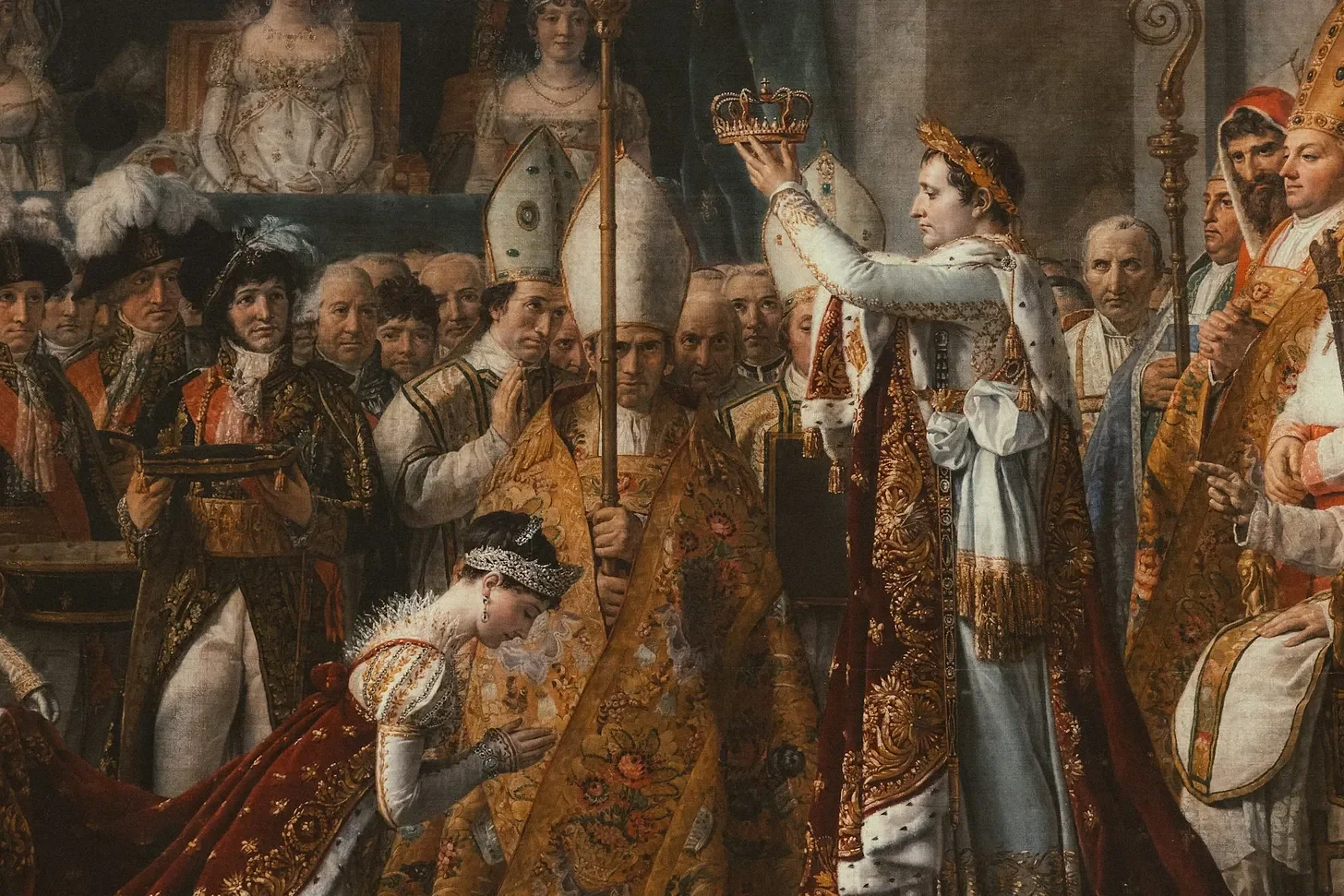
The Undeclared Family
The undeclared family suffers from a lack of clear vision and unexpressed expectations. Without an explicit declaration of values, a dynasty's wealth and purpose can quickly fracture across generations. Defining the family’s ultimate mission keeps the legacy aligned and antifragile.
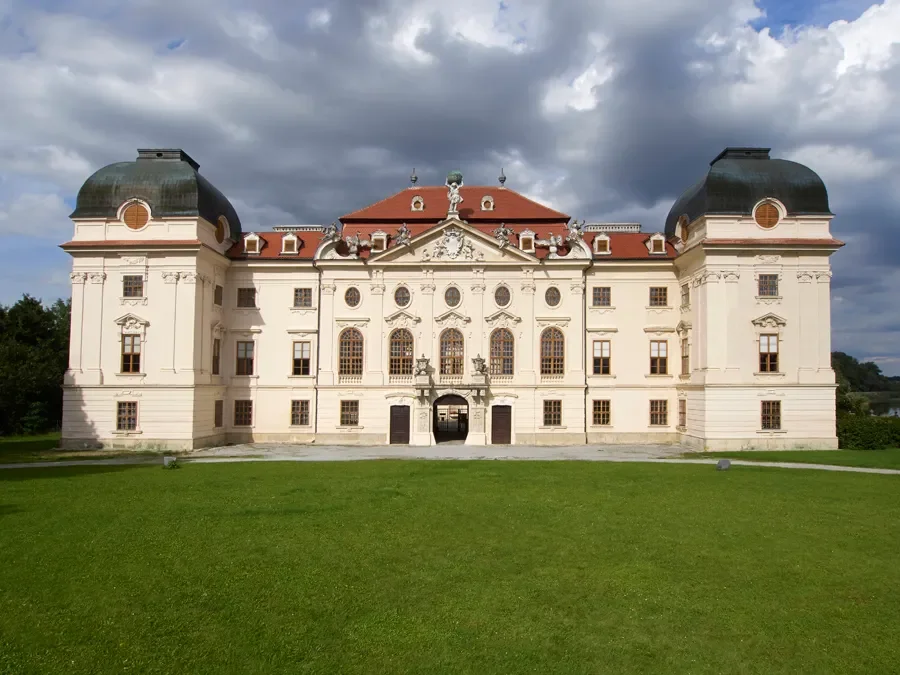
Beautiful Burdens - Inherited and Ignored
Beautiful burdens must be actively managed to prevent them from becoming destructive liabilities. Inherited assets like real estate or art collections carry heavy emotional and financial weight that can overwhelm heirs. Transforming these passive obligations into sources of shared purpose keeps the legacy antifragile.
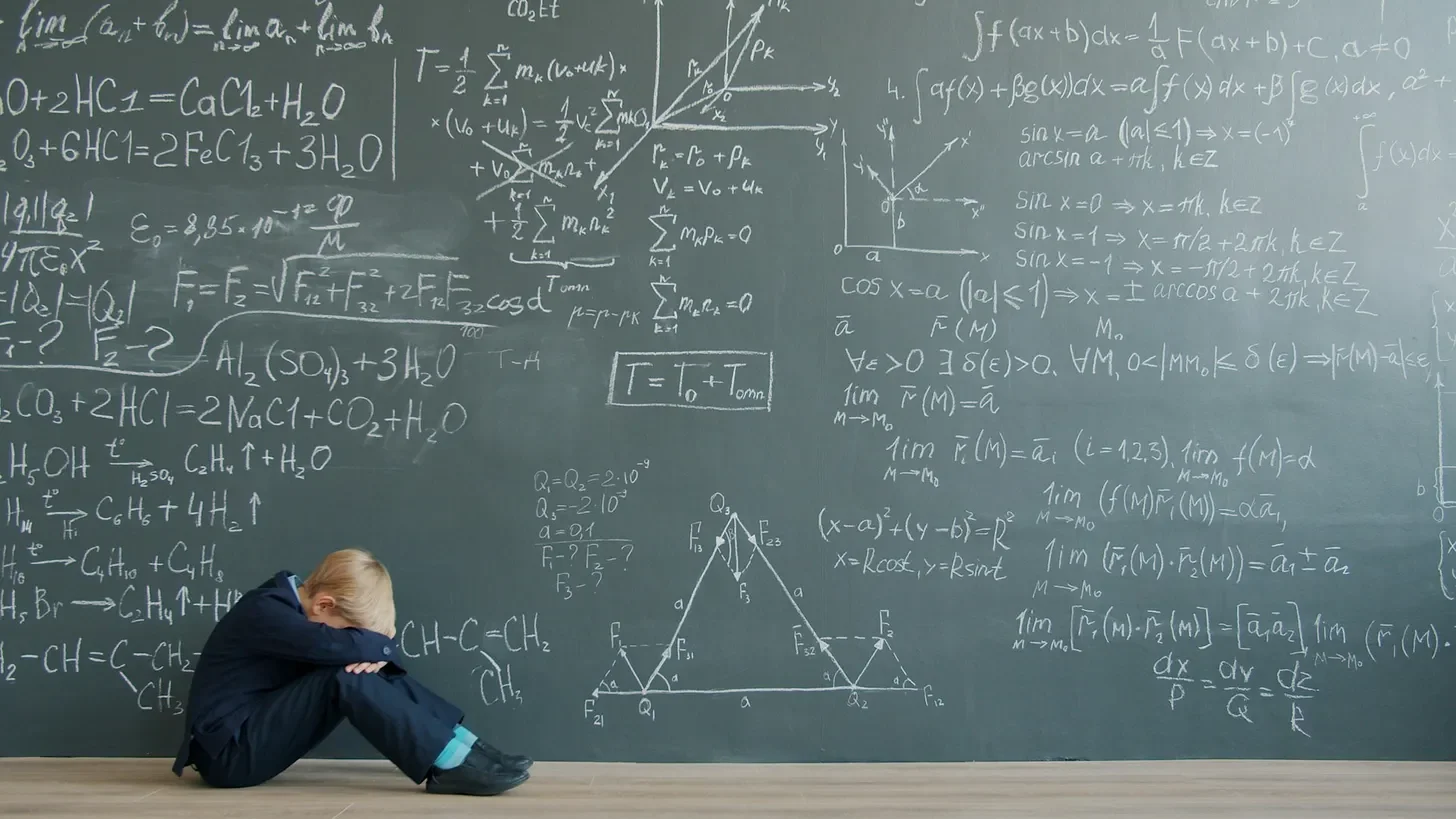
The Neurodivergent Heir - The roles you were actually built for.
Matching neurodivergent heirs with the right roles unlocks their cognitive strengths. Aligning tasks with their specific wiring transforms vulnerability into an entrepreneurial advantage. This strategic placement protects family governance while giving the individual clear purpose. Right-fitting responsibilities is the key to an antifragile future.
The Spouse Fatality
Spouses represent a strategic asset that families should proactively integrate. Trading exclusion for involvement turns new perspectives into vital pillars of growth. This inclusion fosters long-term loyalty and prevents the internal fractures that destroy wealth. Integrating partners effectively is the key to a truly antifragile legacy.

The Grey Eminence
The Grey Eminence serves as the vital bridge between generations. By trading direct control for a supportive advisory role, the retired leader ensures continuity without undermining the heir. True resilience grows when the past generation uses its experience to empower rather than shadow the new leadership. A family that masters this transition stays antifragile together.
The Neurodivergent Heir: Spotting the Neurodivergent Heir
Early recognition turns neurodivergent traits into strategic strengths rather than obstacles. By proactively tailoring support to an heir’s unique wiring, families prevent future friction and ensure long-term resilience. Radical awareness transforms specialized cognitive styles into a foundation for an inclusive and antifragile legacy.
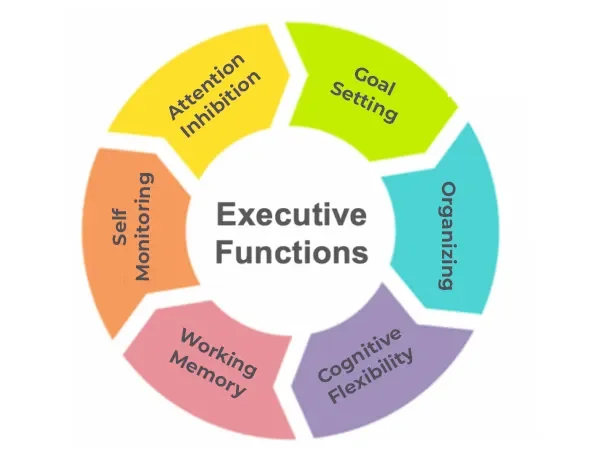
The Neurodivergent Heir: an Introduction
Neurodivergence is a competitive advantage, not a disability. By embracing cognitive diversity, families transform perceived weaknesses into strategic strengths. A culture that adapts to the individual ensures every heir can contribute to a truly inclusive and antifragile legacy.
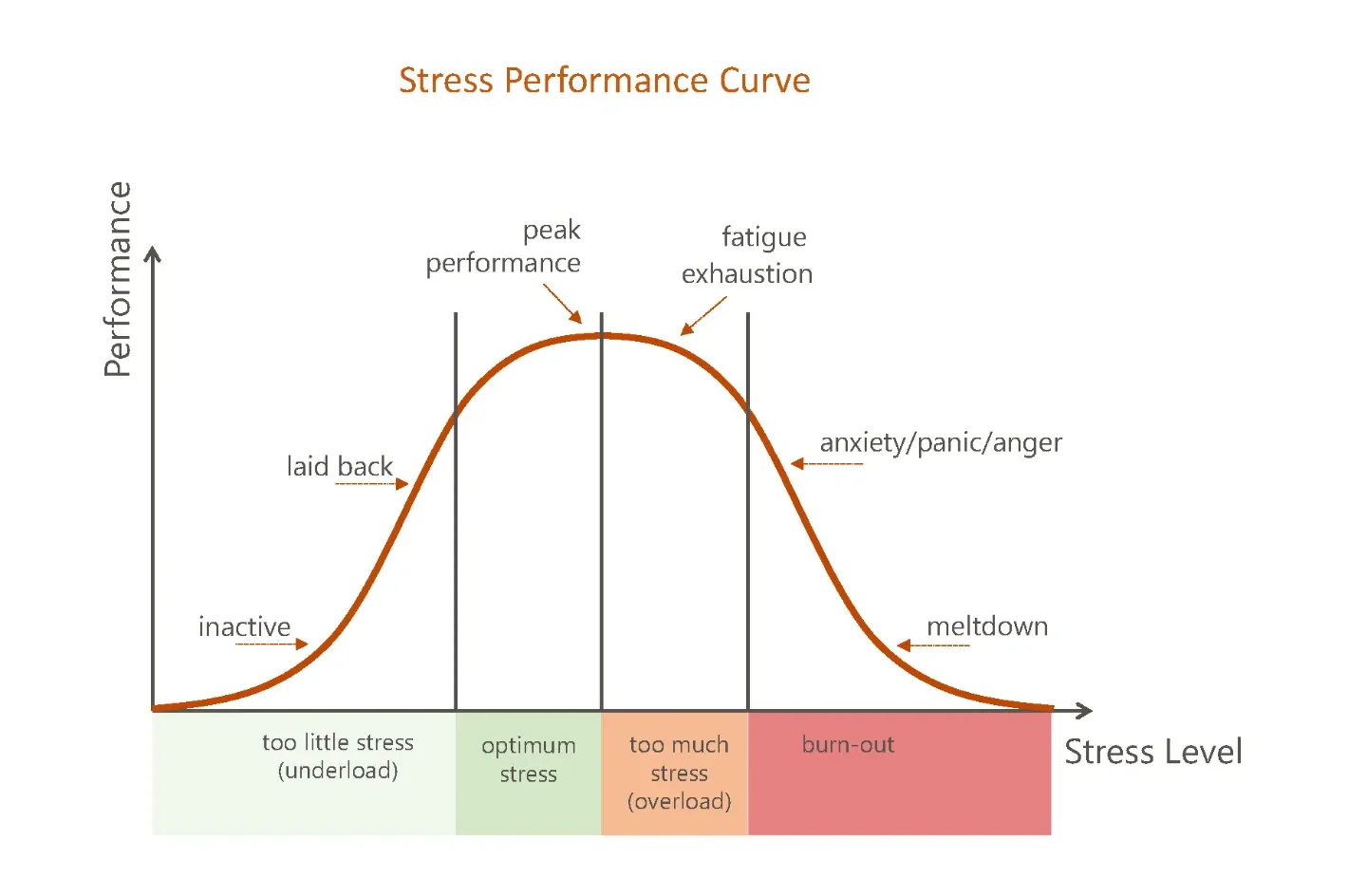
The psychology of competent heirs
Competence is forged through autonomy, not control. By balancing achievement with psychological resilience, families ensure wealth becomes a tool for growth rather than a burden. True success is found when the next generation finds their own purpose within the family mission. A mentally prepared successor is an antifragile successor. Empowerment, not just endowment, secures the future.

The Family Academy Part 2: Shadow Boards & Venture Capital
Legacy is earned, not just handed down. By using shadow boards and shared portfolios, families turn heirs into active decision makers. This practical training transforms inheritance from a simple right into a proven qualification. When the next generation leads together, they build the resilience to protect the family’s future. True antifragility grows through shared skin in the game.
The Family Academy: A Practical Manual Part 1
True legacy requires more than tradition - it thrives on a foundation of intentional growth. With clear systems, shared values, and intentional mentoring, a family transforms into a high-performing team. Strong successors are shaped not by luck, but by a practical manual for life and leadership. A family that learns together, stays antifragile together.

The Heirs Curriculum
Wealth alone doesn’t sustain a legacy, a curriculum of character does. By mastering family history, emotional intelligence, and the duty of stewardship, heirs transform from consumers into leaders. Competence is built not through handouts, but through intentional education. A prepared mind is the only true defense against the risks of inheritance.

Competent Heirs Are Made, Not Born
Competent heirs are forged through intentional training, not born by chance. By trading entitlement for stewardship and comfort for challenge, families build a legacy that lasts. True strength isn't inherited - it’s earned through responsibility and grit. To protect your wealth, you must first build the people who will manage it.

How to Antifragile a Family's Human Capital - Part 2
A family’s strength isn’t built on perfect individuals but on supporting each other as a team. Shared rituals, cooperative challenges, and balanced expectations turn hardship into unity. When culture encourages growth and purpose, families transform crises into collective resilience.

How to Antifragile a Family's Human Capital - Part 1
Hardship doesn’t just test individuals - it can shape them into stronger successors. With movement, healthy routines, grit, belief, and purposeful work, family members become resilient. Antifragile successors are forged not in comfort, but in challenge.
A Family's Human Capital
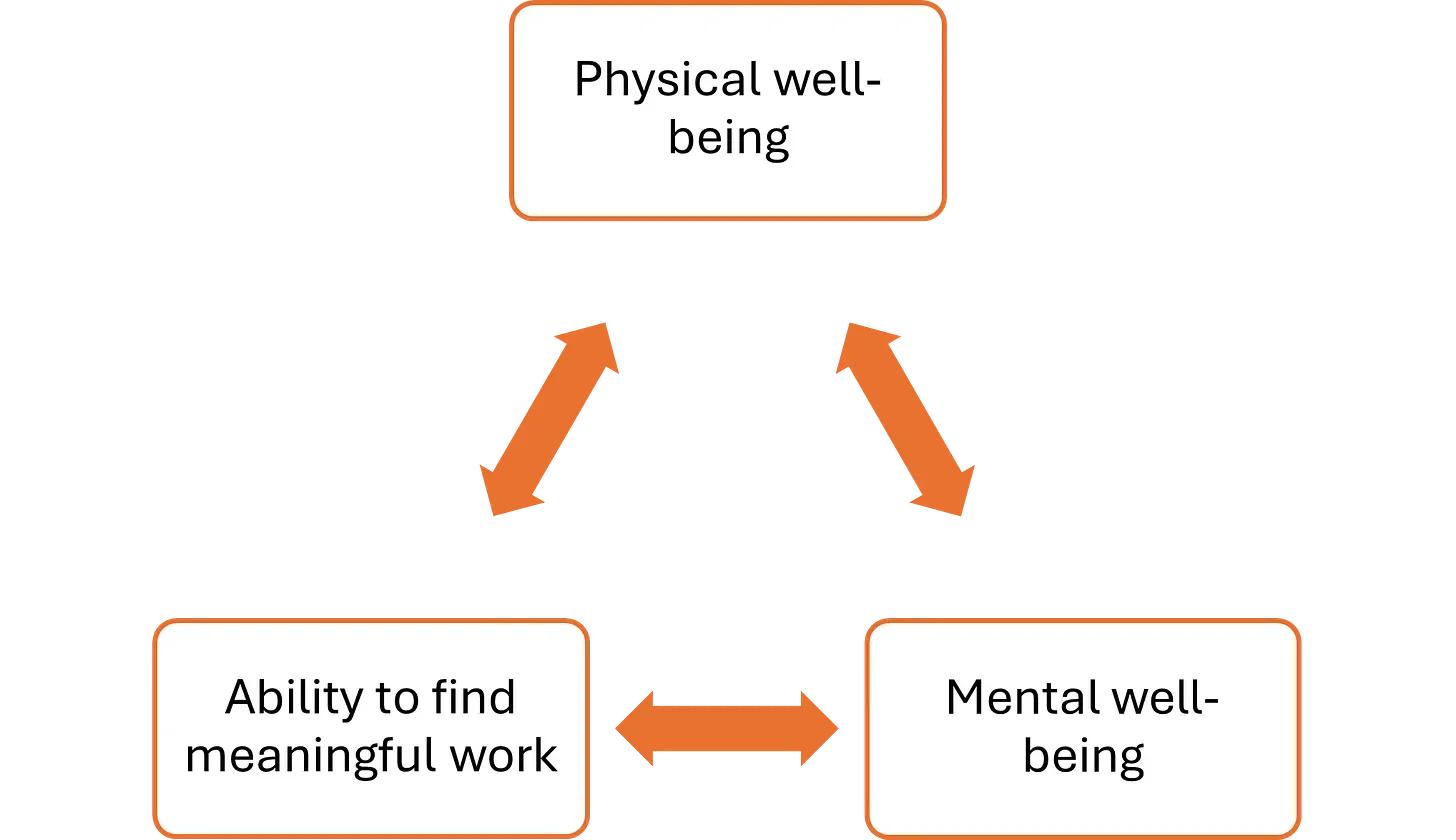
At the core of every strong family lies its human capital - physical health, mental well-being, and meaningful work. Neglect these pillars, and conflict, poor decisions, and even generational trauma follow. Families that prioritize them safeguard every other form of capital.
Tools and Tactics to build Family Social Capital
Social capital doesn’t grow by accident. It’s built through deliberate investments of time, energy, and care. Families can strengthen bonds with mentoring, storytelling, philanthropy, and authentic community engagement. Those who commit to these practices build networks that last through prosperity and crisis alike.